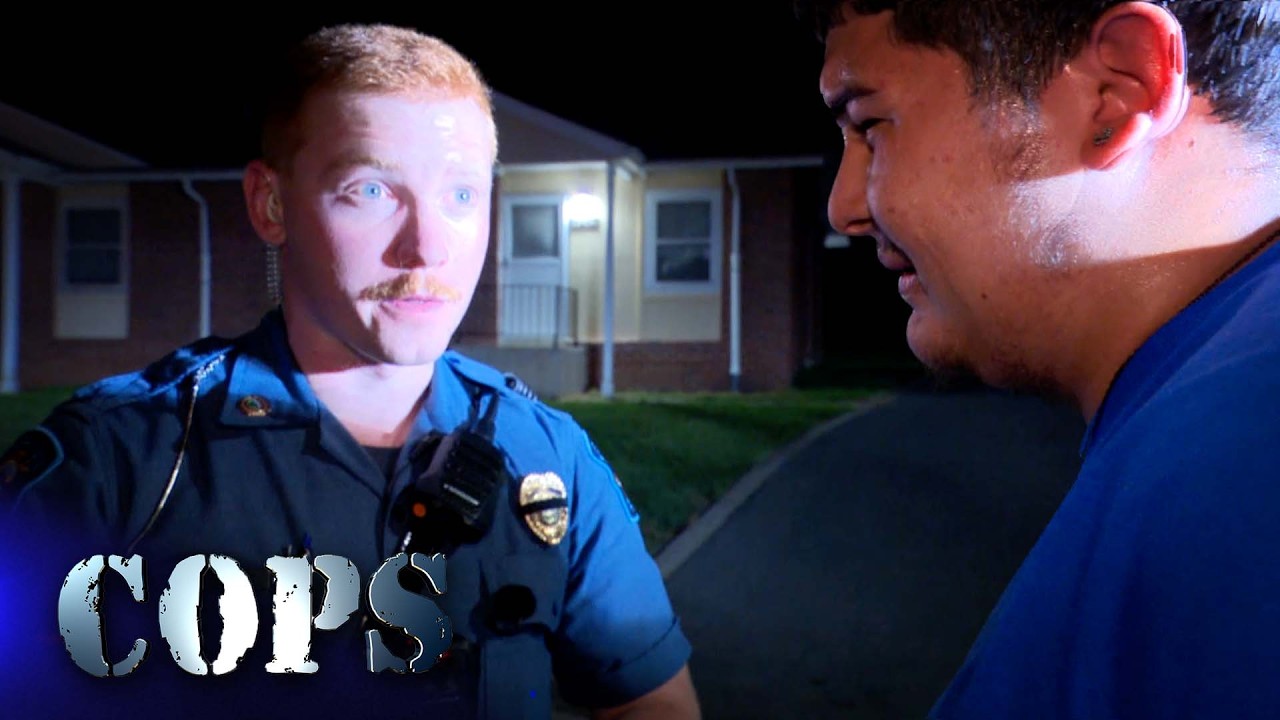
Caught Red-Handed: Internet Detectives Expose a Stolen Car Sold in a Shady Deal
A prospective buyer inspecting a used car discovered it was stolen property, turning a routine transaction into a confrontation that has since gone viral. The incident highlights the hidden risks in private-party car sales, where buyers can unknowingly purchase vehicles that are still titled to someone else.

A Routine Inspection That Went Sideways
What began as a standard used-car inspection quickly turned into a confrontation when a prospective buyer discovered the vehicle was stolen. The encounter, captured on video, shows the moment the buyer realizes the seller's paperwork doesn't match the car's true history.
The buyer, who had been searching for a deal, noticed inconsistencies that didn't add up: a suspicious title, a reluctance to meet at a bank or DMV, and a price that seemed too good to be true. Those red flags triggered further scrutiny, ultimately revealing the car had been reported stolen.
When confronted, the seller's story collapsed. The encounter escalated into a tense exchange as the buyer pressed for answers, leaving the seller scrambling to explain how they came to possess a vehicle they couldn't legally sell.
Why Stolen Car Sales Are Hard to Spot
Stolen vehicle transactions often rely on forged documents and quick, pressure-filled meetups. Sellers frequently avoid official channels like banks or motor vehicle offices, where clerks are trained to spot fraudulent titles. Instead, they push for cash deals in parking lots, leaving buyers with little recourse once the money changes hands.
Many buyers never think to check a vehicle's history until it's too late. A stolen car can look perfectly legitimate: a clean VIN plate, a plausible story about a recent move, and a title that appears correct at first glance. But stolen vehicles are often resold across state lines, where paperwork is harder to verify.
In some cases, the cars are never reported stolen until weeks later, meaning a buyer could drive a vehicle for months before law enforcement knocks on the door. By then, the seller is long gone, and the buyer is left with a vehicle they must surrender without compensation.
Red Flags Buyers Should Never Ignore
First, a seller who refuses to meet at a police station or DMV office is almost always a red flag. Legitimate sellers have nothing to hide and will welcome the security. Second, a price significantly below market value should trigger suspicion. If the deal feels too good to be true, it usually is.
Third, buyers should insist on seeing the title in person and matching the VIN on the title to the VIN on the car's dashboard and door jamb. Any discrepancy, even a small one, should halt the transaction. Finally, paying in cash without a bill of sale leaves buyers with no proof of the transaction, making it nearly impossible to recover funds if the vehicle turns out to be stolen.
The buyer in this case avoided a costly mistake by trusting their instincts. They walked away with their money and their freedom, while the seller was left with a stolen car and no buyer. But not everyone is so lucky. Every year, thousands of buyers lose money to stolen vehicle scams, and recovery is rare.
What Happens When a Stolen Car Is Sold
Once a stolen vehicle is sold, law enforcement typically seizes it and returns it to its rightful owner or the insurance company that paid out the claim. The buyer, even if completely innocent, is usually left empty-handed. Civil recovery against the seller is difficult, especially if they used a fake identity or have no assets.
In many jurisdictions, knowingly selling a stolen vehicle is a felony, but proving the seller knew the car was stolen requires evidence that the seller had intent. That's why these cases often end without charges, leaving victims to shoulder the loss.
For buyers, the only real protection is vigilance. Running a comprehensive vehicle history report, verifying the title with the local DMV, and meeting in a safe, public place can reduce the risk. But as this incident shows, even a cautious buyer can find themselves in a shady deal that almost went very wrong.
Comments (0)
Loading comments...
May You Like

One Wrong Decision Behind the Wheel Can Cost a Life, Officer Warns
Routine Traffic Stop Forces Driver to Run as Officers Close In
Gun Slips From Suspect's Waistband Mid-Traffic Stop as Officers Close In