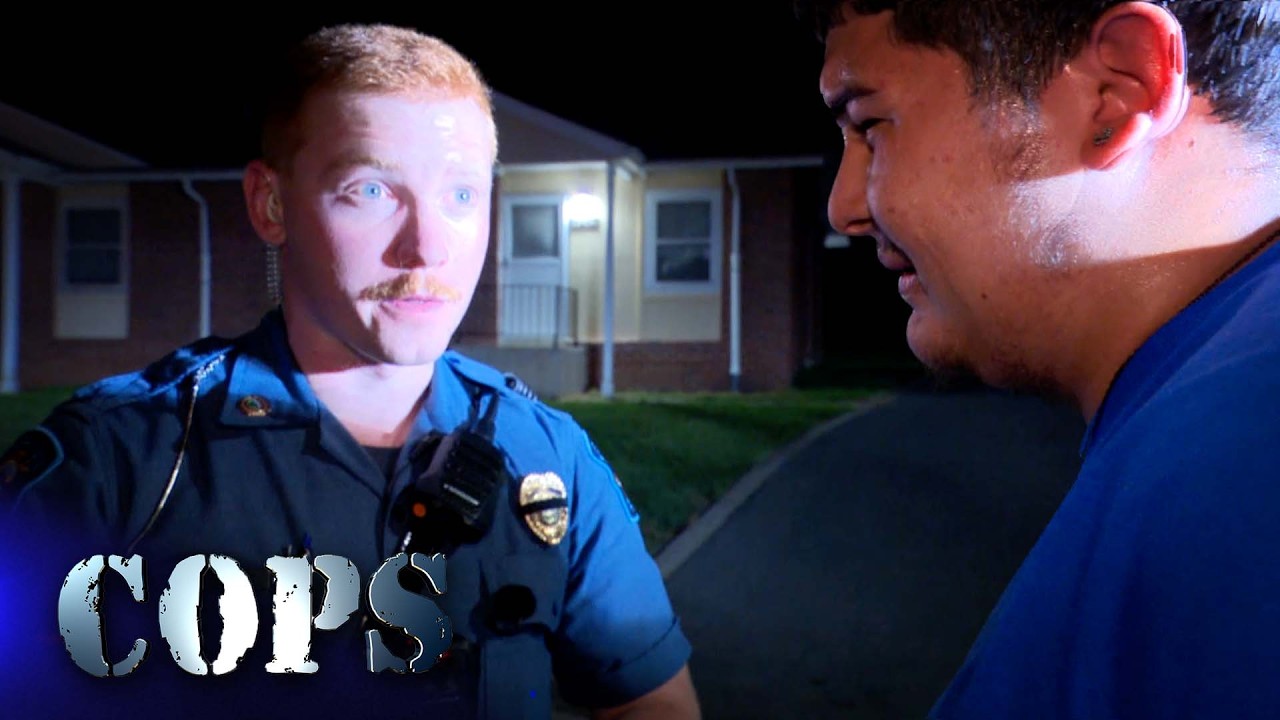
He Vowed to Quit After One Last Bet — His Family Is Still Waiting
A person struggling with compulsive gambling makes one final promise to a loved one: after this last bet, it stops. The exchange captures the cycle of repeated vows and broken trust that defines gambling addiction, and why experts say willpower alone rarely breaks it.

The Promise That Keeps Getting Made
Every gambling addiction has a version of this scene. Someone who has lost money, time and trust stands in front of a person who loves them and promises it ends now — after one more bet. The words are sincere. The plan, almost always, is not.
Problem gambling is defined less by the size of the losses than by the loss of control. Someone in its grip does not choose to keep betting against their own stated wishes. They try to stop, fail, and then hide it, which is what turns a money problem into a trust problem.
That gap between what a person swears and what they do is the reason a promise, however heartfelt, is widely considered the weakest form of protection against relapse.
Why the Last Bet Is Never the Last
Gambling researchers describe a predictable loop: mounting losses, a desperate attempt to win the money back, a bigger loss, and then shame. The shame drives secrecy, and the secrecy makes the next bet easier to hide.
The 'one last bet' idea fits neatly into that loop. It lets someone tell themselves they are still in control while doing exactly what they intended to stop. The bet becomes the thing that has to happen before quitting can begin — which is how quitting keeps getting postponed.
The mechanism matters because it changes what help looks like. Advice to 'just stop' assumes a choice is available. In a gambling disorder, the decision-making system that would make that choice is itself compromised.
The People Left Holding the Promise
Partners and parents often end up monitoring bank accounts, checking phones and counting the days since the last bet. Each broken promise narrows what they are willing to believe next time, and relationships frequently fracture before the gambling does.
Support groups for the families of gamblers treat this dynamic directly. They encourage members to separate what they can control from what they cannot, and to stop treating another person's habit as a project they are responsible for fixing.
Money is the most visible casualty. Debt, drained savings and unpaid bills surface first. The less visible damage — sleeplessness, anxiety, isolation, the elaborate lying — tends to outlast the debts.
What Actually Interrupts the Cycle
Public health bodies including the World Health Organization classify gambling disorder as a behavioural addiction. Treatment approaches that study well include cognitive behavioural therapy, motivational work, and peer support such as Gamblers Anonymous.
Practical tools matter alongside therapy. Self-exclusion programmes let a person bar themselves from specific venues or sites. Software blocks access. Banks can be asked to restrict gambling transactions. These options treat the environment as part of the problem, because for many people it is.
A crisis helpline is often the fastest route to a local service, and most operate around the clock.
Time, Not Words, Is What Counts
Clinicians who treat gambling addiction tend to talk about sobriety the way other recovery communities do: measured in days accumulated, not promises delivered. A week matters. A month matters more.
Relapse is common enough that it is treated as part of the process rather than proof that the person will never stop. What changes the odds is not a stronger vow but a smaller gap between wanting to stop and having the structures — treatment, blocks, an honest person to call — that make stopping easier than betting.
The person in that room may mean every word. What usually determines whether it holds is what gets built the next morning, after the promise has been made and the bet has been settled.
Comments (0)
Loading comments...
May You Like
Routine Traffic Stop Forces Driver to Run as Officers Close In

The Go Signal: How a Sting Operation Actually Unfolds on the Ground
Officer Walks Through Contradictions That Undo the Official Story