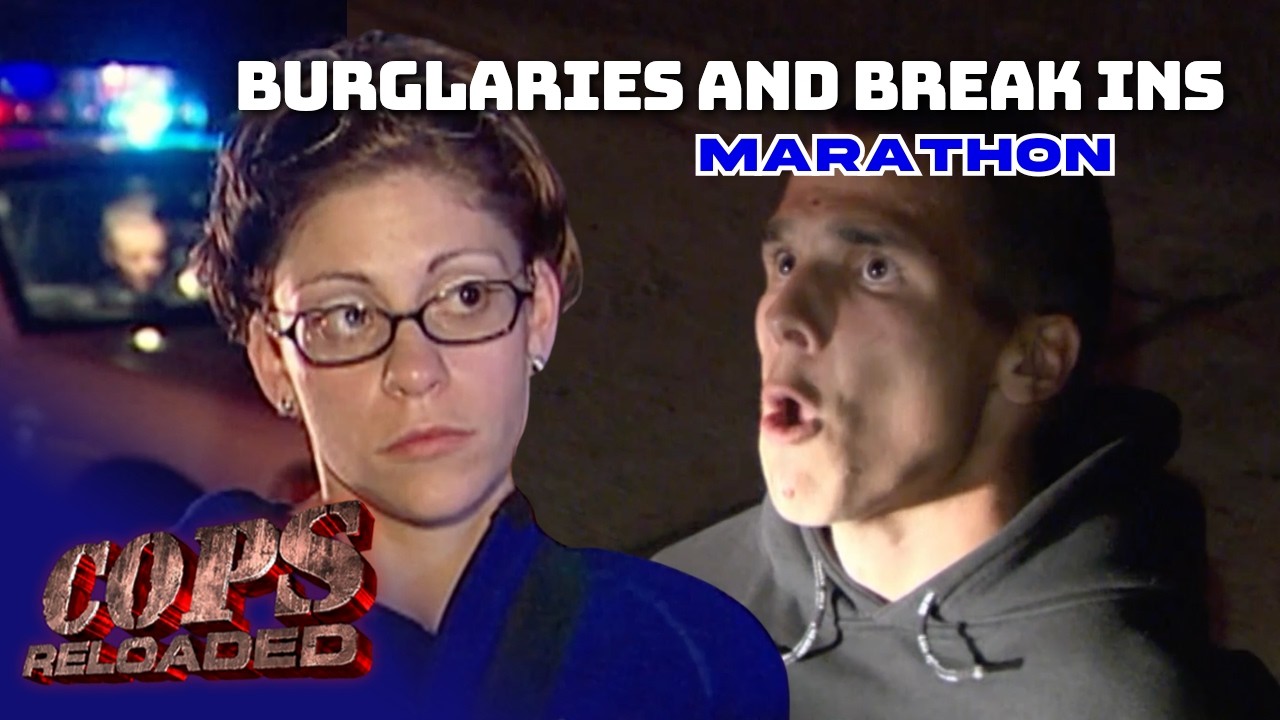
One Wrong Decision Behind the Wheel Can Cost a Life, Officer Warns
A traffic officer uses a roadside encounter to deliver a blunt lesson about what happens when anger takes over behind the wheel. The message is simple: road rage turns ordinary drivers into a threat to everyone around them, and the consequences can arrive in seconds. The warning lands hardest on drivers who assume a heated moment will stay harmless.

A Split Second That Changes Everything
Road rage rarely announces itself. It starts with a honk, a cut-off, a hand gesture, and builds until two drivers are no longer thinking about the road at all.
That is the moment a traffic officer wants drivers to recognize before it arrives. In a roadside exchange that has circulated widely online, the officer walks a driver through what happens when temper takes the wheel, framing anger as a decision rather than an accident.
The stakes are not abstract. A vehicle weighing well over a ton becomes a weapon the instant the person holding the wheel stops paying attention to the road and starts paying attention to the argument.
Why Drivers Underestimate the Risk
Most drivers who lose their temper believe they are still in control. They are not. Reaction time drops, peripheral vision narrows, and the gap between cars that felt safe a moment ago closes faster than anyone can compensate for.
Aggressive driving shows up in familiar forms: tailgating, weaving through traffic, speeding to close a gap, brake-checking the car behind. Each one is a choice, and each one multiplies the odds of a crash that nobody in the surrounding lanes agreed to be part of.
The danger extends past the two drivers involved. Pedestrians, cyclists and passengers in other vehicles have no say in a dispute they never joined.
The Legal Consequences Drivers Forget
Anger behind the wheel is not just a safety problem. It can become a criminal one. Depending on the jurisdiction and the outcome, aggressive driving can support charges ranging from reckless driving to assault with a deadly weapon when a vehicle is used to threaten or strike someone.
If a crash causes injury or death, prosecutors can pursue far more serious counts. A confrontation that began as a dispute over a lane change can end with a court date, a licence suspension, or a prison sentence.
Insurance follows too. At-fault determinations tied to aggressive driving can raise premiums for years, and civil lawsuits from injured parties can outlast any criminal case.
What Defusing Actually Looks Like
The advice officers give is consistent and unglamorous. Let the other driver go. Do not make eye contact, do not gesture, and do not follow. Put distance between your car and the conflict.
If another driver persists, the recommended move is to drive to a public place, such as a police station or a busy lot, rather than home. Confronting someone on the roadside escalates a situation that has no good ending.
Drivers who feel their own temper rising can pull over somewhere safe and take a moment before continuing. Arriving a few minutes later is a trade almost anyone would take.
The Lesson That Outlasts the Stop
Encounters like the one captured in the clip tend to stay with people because they are not really about traffic rules. They are about what a person is willing to risk over an insult from a stranger.
No lane change, no missed exit and no slow driver is worth a life. That is the calculation the officer is asking drivers to make before the moment arrives, not after.
The lesson holds whether the audience is a teenager in a first car or a commuter with decades behind the wheel. Anger behind the wheel does not discriminate, and neither do its consequences.
Comments (0)
Loading comments...
May You Like

Undercover Buy Goes Wrong: Suspect Allegedly Tries to Swallow Evidence During Drug Bust
Suspect Tells Police the Stolen Car Isn't His — Then Digs a Deeper Hole

Police Taser Suspect Mid-Sprint as Foot Chase Ends in Seconds