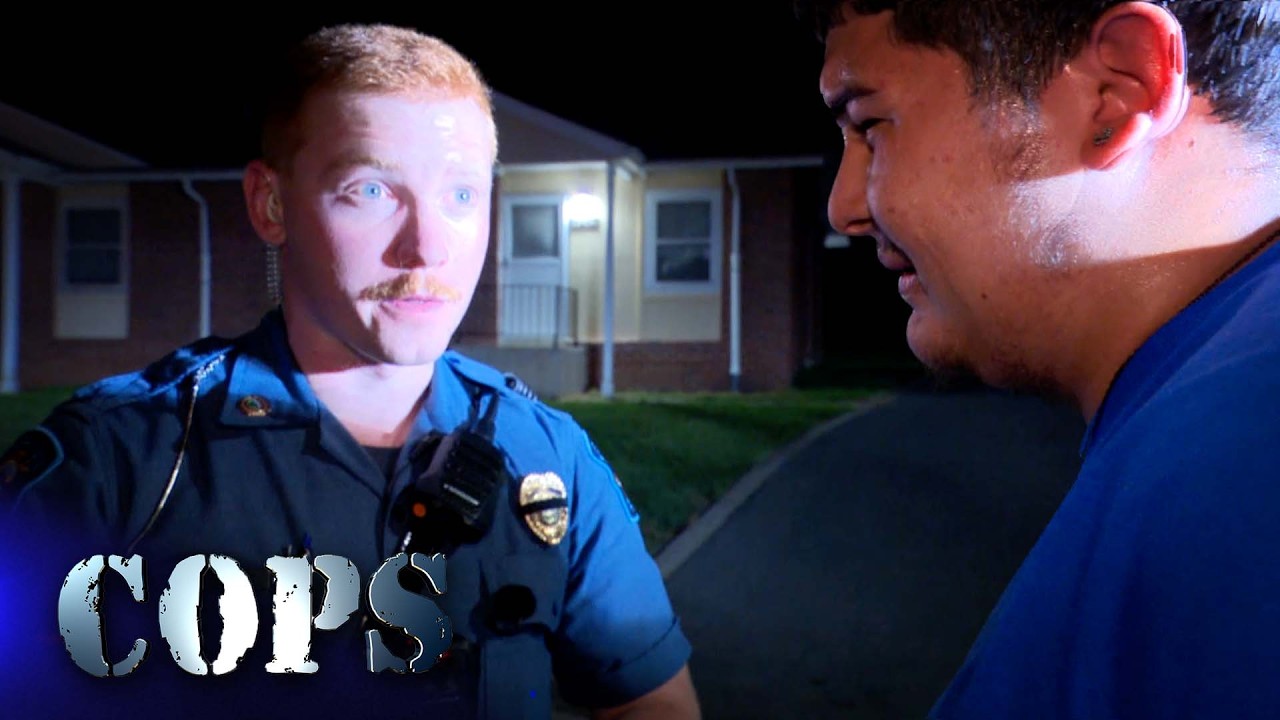
Suspect Tells Police the Stolen Car Isn't His — Then Digs a Deeper Hole
A traffic stop took an unexpected turn when a suspect, caught behind the wheel of a reported stolen vehicle, insisted the car was not his. The claim quickly became a problem rather than a defense, as investigators had already linked the vehicle to him through evidence. The moment highlights a common miscalculation by suspects who try to talk their way out of an arrest.

A Stop That Went Sideways
A suspect stopped by police while driving a reported stolen vehicle offered a defense that did not hold up: the car was not his. The claim, captured in a clip that has drawn attention online, came as officers were already treating the vehicle as evidence.
In most stolen-vehicle investigations, ownership is not established by who is sitting in the driver's seat at the moment of a stop. It is established by registration records, title documents, and physical evidence inside the car — all of which are typically checked before an arrest is made.
The suspect's denial may have been an attempt to distance himself from the theft, but it introduced a problem: if the car is not his, his presence behind the wheel still requires an explanation. That explanation is now part of the case against him.
Why the Claim Backfires
Legal experts often describe this kind of statement as a self-inflicted wound. In denying ownership, a suspect implicitly acknowledges possession — and possession of a stolen vehicle is itself a chargeable offense in most jurisdictions, regardless of who actually took it.
The claim also invites investigators to ask a second question: if the car is not yours, why were you driving it? That question can widen an inquiry, pulling in phone records, surveillance footage, and witness statements that might otherwise have been irrelevant.
Prosecutors do not need a confession to secure a conviction. They need evidence that a person knew or should have known the vehicle was stolen. A spontaneous denial can become part of that evidence if it contradicts what the investigation later reveals.
The Bigger Picture on Stolen Vehicles
Stolen-vehicle cases are rarely solved by a single traffic stop. They are built through a chain of documentation: the original theft report, the vehicle identification number, and any forensic links between the suspect and the car.
When a suspect speaks without legal counsel, that chain can tighten. Statements made during a stop are often admissible, and a denial that does not match the physical evidence can be used to show consciousness of guilt.
The response in this case — a flat denial — is a familiar move in criminal investigations, but it rarely ends the matter. It typically hands investigators a new thread to pull, and suspects often find that the more they say, the more they have to explain.
Comments (0)
Loading comments...
May You Like

Routine Traffic Stop Forces Driver to Run as Officers Close In

One Wrong Decision Behind the Wheel Can Cost a Life, Officer Warns
Police Search Bathroom and Find Crack Cocaine as Suspect's Story Unravels