The Go Signal: How a Sting Operation Actually Unfolds on the Ground
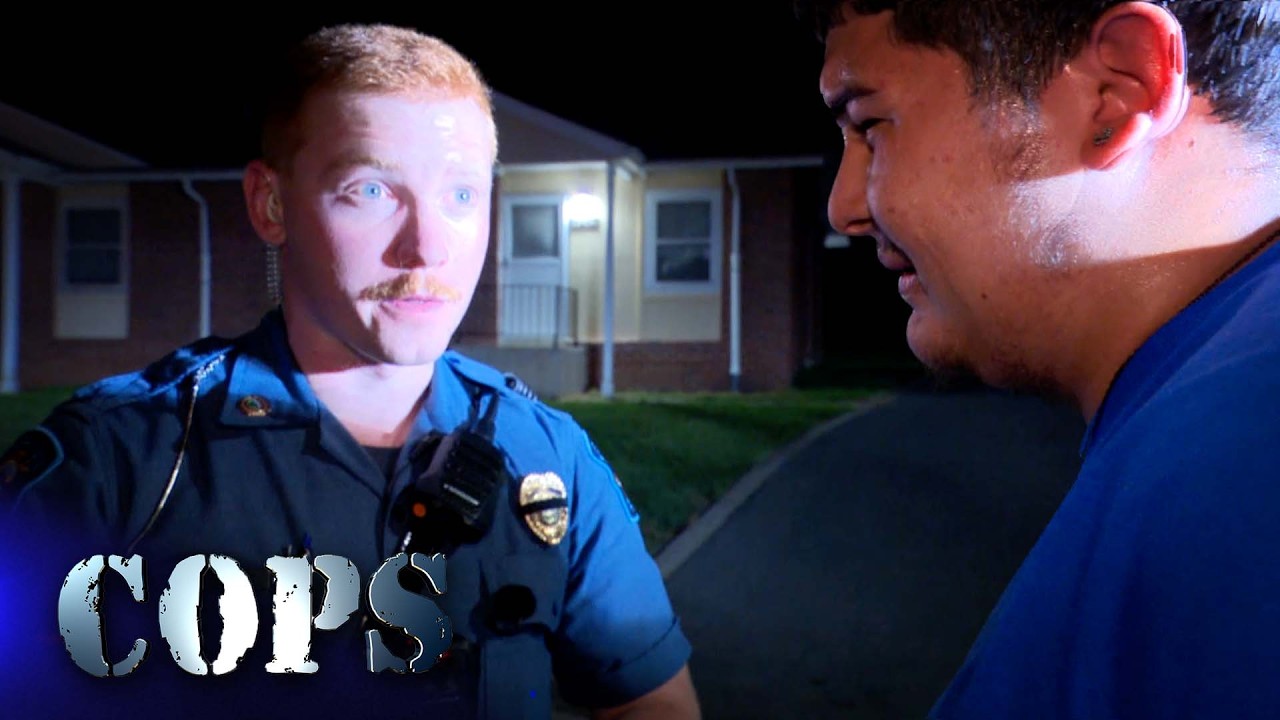
A police sting operation hinges on a single, decisive moment: the go signal that launches the trap. From drug busts to corruption cases, undercover units wait for that command before moving in, and the clip 'It's a Go! The Sting in Action' shows what happens when it arrives. The timing, planning and legal weight behind that word determine whether a case holds up in court or collapses.

The Moment Everything Moves
In any sting operation, the most important word isn't 'freeze' or 'hands up.' It's 'go.' That single command, issued once the target is in position and the evidence is in play, triggers a carefully rehearsed sequence of arrests, seizures and documentation that has to hold up in court.
The clip 'It's a Go! The Sting in Action' captures that moment. Before the signal, a sting is often hours of silent waiting: undercover officers or informants keeping a conversation going while surveillance teams track every movement. After the signal, months of investigation compress into minutes.
Why Police Use Stings at All
Sting operations are a tool for crimes that are hard to catch in progress. Drug trafficking, public corruption, arms dealing, organised theft rings and solicitation cases often leave little physical evidence at the scene. A controlled operation lets investigators create the conditions for an offence to occur under their watch, with witnesses and recordings already in place.
The trade-off is risk. A sting depends on the credibility of an undercover officer or cooperating informant, on clean communication between surveillance teams, and on the target not sensing the trap. When it works, prosecutors get direct evidence. When it fails, defence lawyers get openings.
The Anatomy of the Go Signal
The go signal isn't improvised. In most units, it's a pre-agreed word or phrase woven into ordinary conversation — something that sounds natural to the target but means 'action' to the team. Sometimes it's a physical cue instead: a hand gesture, a dropped object, or the appearance of a specific vehicle at a specific spot.
Timing is everything. Move too early and there's no offence to arrest for. Move too late and the evidence — or the suspect — is gone. Undercover officers and surveillance units practise the sequence repeatedly, because a single misheard cue in a noisy street can burn the operation.
What Happens When It All Goes Right
Once the signal is given, the pace is relentless. Arrest teams converge, the suspect is detained, and a rehearsed script takes over: securing the scene, seizing any drugs, cash, weapons or documents, reading the suspect their rights, and beginning the chain-of-custody documentation.
Every link in that chain matters. Prosecutors need to show that the evidence seized at the scene is the same evidence presented in court, untainted and unbroken in custody. A gap in the paperwork can hand a defence team grounds to challenge the whole operation.
The Legal Minefield
Sting operations sit close to the line between investigation and entrapment. Courts in most jurisdictions draw a distinction between giving a suspect an opportunity to commit a crime they were already willing to commit, and actively pressuring someone into a crime they wouldn't otherwise commit.
That distinction is litigated constantly. Defence lawyers scrutinise how long the operation ran, how persistent the undercover officer was, and whether the target had a pre-existing criminal record or history of similar conduct. The government's case often rises or falls on whether a judge finds the conduct acceptable.
Why This Moment Matters
The go signal is the pivot on which the entire investigation turns. Every wiretap, every stakeout shift, every hour of cover-building leads to that one command. It's the point where intelligence becomes evidence — where a suspicion becomes an arrestable offence.
That's why stings that succeed are studied and stings that fail are dissected. The moment the word is spoken, there's no going back, and the fate of the case will be argued over for months or years afterward.
Comments (0)
Loading comments...
May You Like

Roommate Fight Started Over Dishes, Ended With a Broken Lease and a Police Report

A $500 Car With No Paperwork: Inside America's Stolen Vehicle Pipeline

Gun Slips From Suspect's Waistband Mid-Traffic Stop as Officers Close In