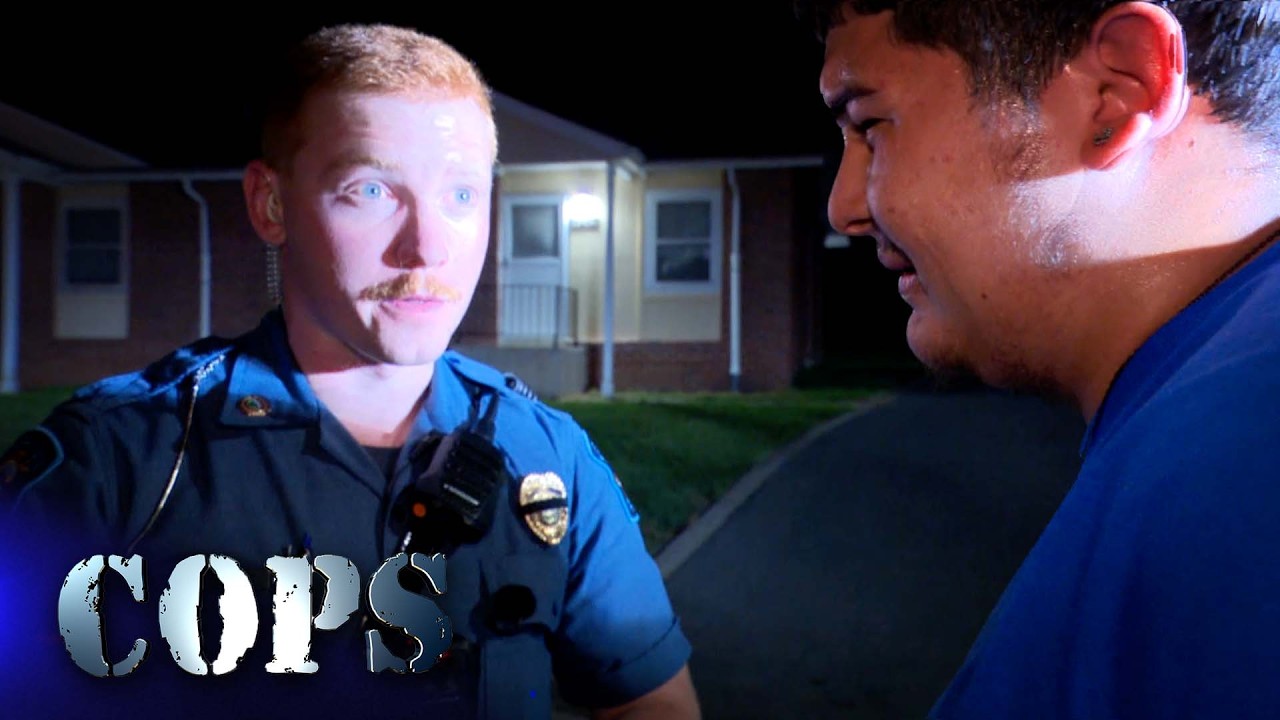
Trained Negotiators End Armed Standoff Without Firing a Shot
A police standoff with an armed individual ended peacefully after crisis negotiators and tactical officers used de-escalation techniques instead of force. The incident, captured on video, shows how departments increasingly rely on communication and time rather than immediate confrontation. The outcome adds to a growing body of cases where patience and specialized training resolve high-risk encounters without injury.

A Standoff Ends Without Gunfire
An armed standoff that could have turned fatal ended with no shots fired and no injuries reported, after police negotiators and tactical officers spent hours talking a suspect into surrender. The encounter, recorded on video, shows officers holding position behind cover while a trained crisis negotiator maintains contact with the armed person.
Details of the location and the identity of the suspect were not immediately available. What is clear from the sequence is the outcome: a high-risk confrontation resolved through words and patience rather than a show of lethal force.
How De-escalation Actually Works
De-escalation is not a single tactic but a set of practices: slowing down the pace of an encounter, creating physical distance, using cover, limiting the number of officers in direct contact, and assigning a single communicator to build rapport. In an armed standoff, the goal is to buy time — time for the person to reconsider, time for emotions to cool, time for a peaceful exit.
Negotiators are trained to listen for what drives the behavior: fear, desperation, a mental health crisis, or a grievance. They avoid ultimatums and instead offer small, achievable steps — put the weapon down, step away, talk on the phone — that let the person surrender without losing face.
The approach has been formalized in many departments over the past decade, often under the label of crisis intervention or ICAT (Integrating Communications, Assessment, and Tactics). The underlying principle is consistent: when someone is in crisis and armed, the safest resolution is usually the one that takes the longest.
Why This Case Matters
Every peaceful end to an armed standoff is a data point in a long-running debate over police use of force. Critics point to cases where officers shoot armed individuals within seconds of arrival, sometimes when the person is in mental health crisis or has not been given a clear chance to comply. Departments counter that split-second decisions are rarely simple, and that not every encounter allows for a slow build.
Still, the record shows de-escalation can work when conditions allow. In this standoff, officers had the two ingredients that make negotiation possible: containment and time. The armed person was not an immediate threat to anyone but themselves or to officers behind cover. That gave the negotiator room to operate.
The case also illustrates a shift in training priorities. More agencies now require officers to consider whether their own actions — shouting, drawing weapons, closing distance — are escalating a situation that could be calmed. The best outcome, as this standoff shows, is one where nobody is hurt and no rounds are fired.
The Limits of Patience
De-escalation is not a guarantee. Some armed encounters end in violence despite negotiators' best efforts, and officers are trained to use force when someone poses an imminent threat to life. The technique works best when the person is contained, when there is no active shooting, and when communication channels stay open.
That is why departments pair negotiators with tactical teams: the tactical unit contains and protects, while the negotiator talks. The two roles are not in conflict — they are designed to work together. In this case, they did.
The standoff's resolution will likely be cited by advocates of crisis training as evidence that patience pays off. Whether it changes policy elsewhere depends on a larger question: how often departments are willing to wait.
Comments (0)
Loading comments...
May You Like

Officers Move In on Suspected Drug Dealers in Rapid Takedown

Roommate Fight Started Over Dishes, Ended With a Broken Lease and a Police Report
Trespassing Suspect's Excuse Collapses Under Questioning