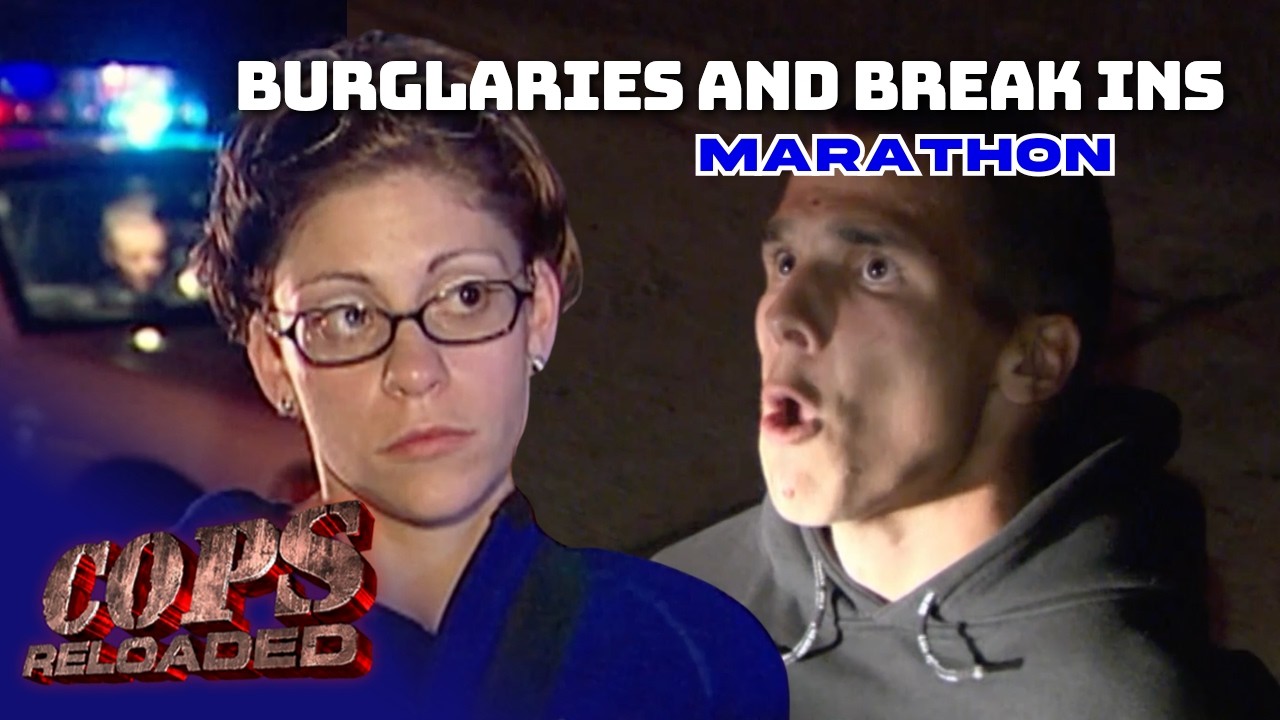
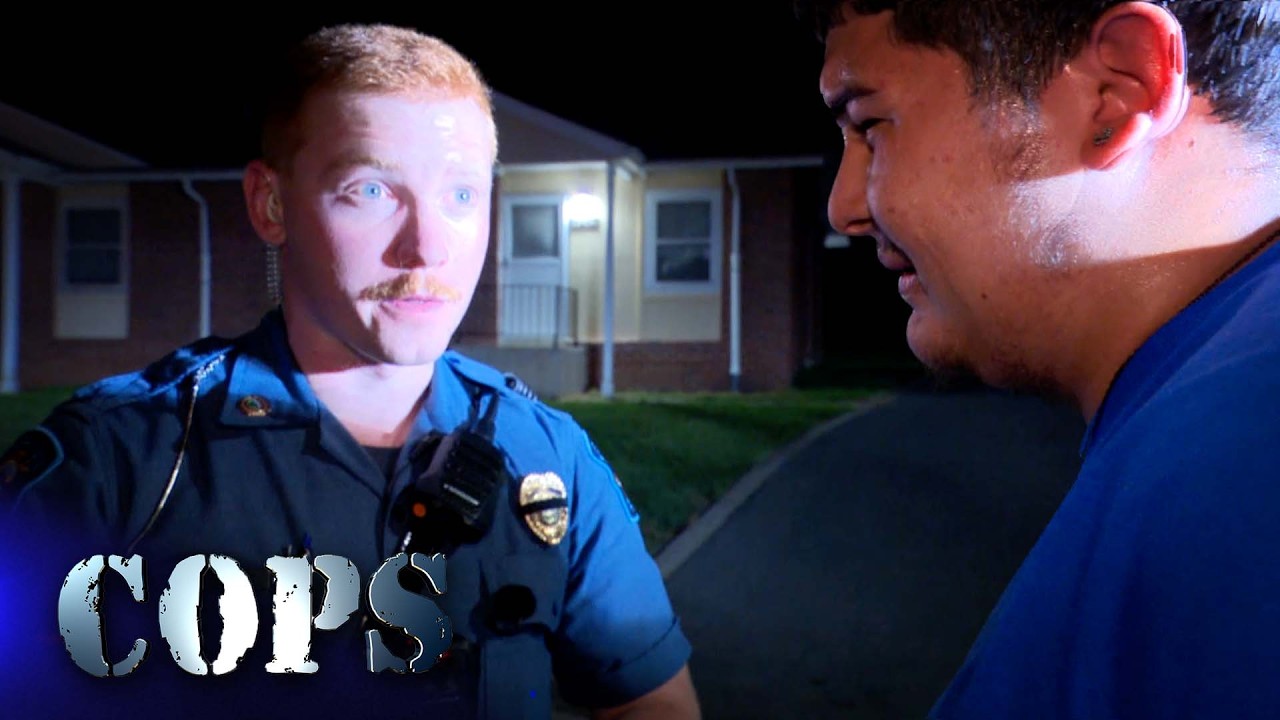
Trespassing Suspect's Excuse Collapses Under Questioning
A suspect caught on private property offered an explanation that quickly fell apart under scrutiny, according to footage of the encounter. The exchange highlights how thin excuses often unravel when officers press for basic details, turning a routine trespass call into a self-incriminating conversation.

A Story That Doesn't Hold Up
Trespassing cases rarely hinge on clever defenses. More often, they turn on whether the person found on private property can give a consistent reason for being there. In this encounter, the suspect's explanation collapsed almost immediately once officers began asking follow-up questions.
The pattern is familiar to anyone who has watched body-camera footage: a suspect offers a vague justification, then contradicts it when asked for specifics. Each new detail creates a new problem, and the original excuse becomes harder to defend.
Why Small Details Matter
Investigators rely on small inconsistencies. A claimed destination that doesn't match the direction of travel, a timeline that doesn't fit the surrounding facts, or a relationship to the property owner that can't be verified can all shift a routine stop into an arrest.
Trespassing itself is often a misdemeanor, but the conversation surrounding it can lead to additional charges if a suspect lies to officers or refuses to comply with lawful orders. That is why seemingly minor stops can escalate quickly.
The Risk of Improvising
Legal experts routinely advise suspects to say nothing rather than construct an explanation on the spot. An improvised story creates a record that prosecutors can use later, and juries tend to notice when a defense changes between the scene and the courtroom.
In this case, the suspect's attempt to talk his way out of the situation appears to have done the opposite. What began as a simple question about why he was on the property became a test of whether his account could survive even basic scrutiny.
What Happens Next
Trespassing arrests typically move through local courts, where prosecutors weigh the strength of the officer's account against any explanation the defendant offers. A shaky story at the scene does not guarantee a conviction, but it rarely helps.
The broader lesson cuts both ways. Officers are trained to separate a nervous but truthful account from a fabricated one, and suspects who improvise give them more material to work with than silence ever would.
Comments (0)
Loading comments...
May You Like

Man Repeatedly Tells Police He Uses Drugs But Doesn't Sell Them
Officers Move In on Suspected Drug Dealers in Rapid Takedown
She Saved for Years, Then a Stranger Demanded Her Last Money