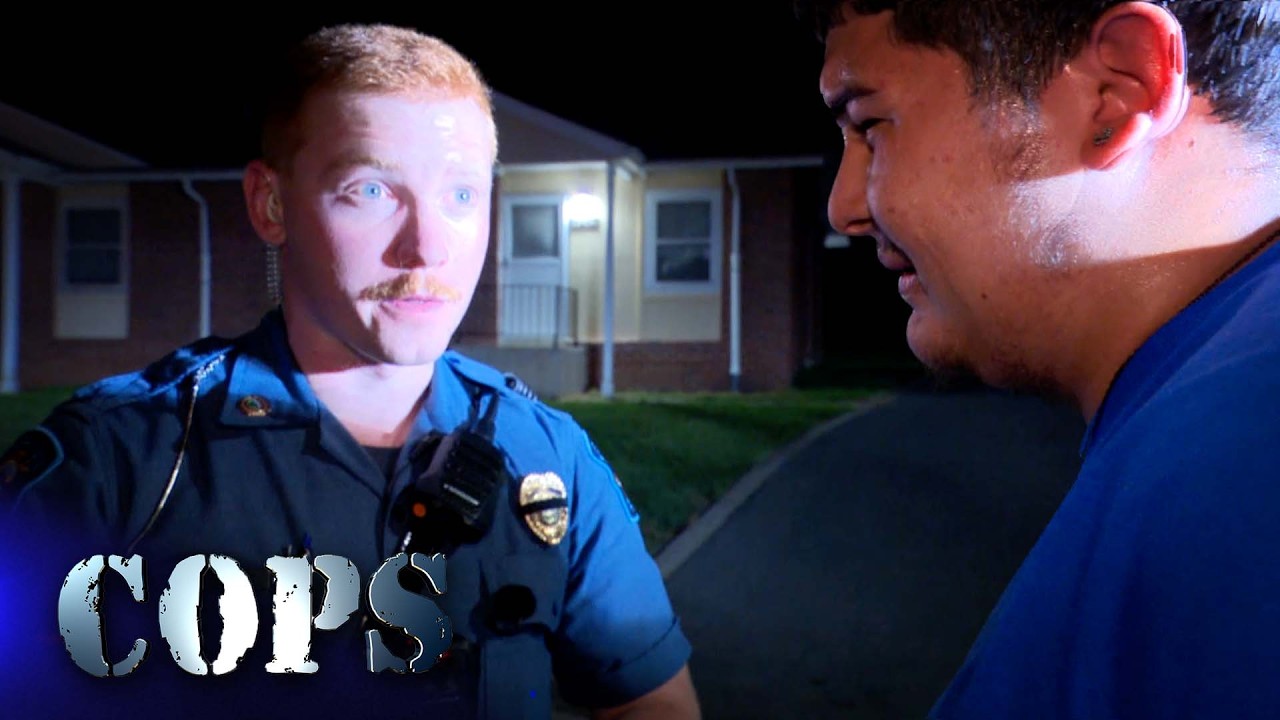
Undercover Buy Goes Wrong: Suspect Allegedly Tries to Swallow Evidence During Drug Bust
A narcotics operation turned chaotic when a suspect allegedly attempted to destroy evidence by swallowing it as officers closed in. The botched bust has renewed scrutiny on how quickly street-level drug deals can escalate and what it takes for law enforcement to secure a conviction.

A Routine Sting Turns Into a Scramble
What began as a controlled drug purchase quickly spiraled when the target of the operation realized he was being watched. According to law enforcement accounts of the incident, the suspect attempted to destroy the evidence by swallowing it — a desperate move that turned a routine bust into a medical and legal emergency.
Officers moved in before the suspect could finish the act, but the damage was already done. The alleged drugs were partially ingested, creating a scene that required immediate intervention from both law enforcement and emergency medical personnel.
The suspect was taken into custody and later evaluated by paramedics. Authorities have not released details about his condition, but the incident highlights how quickly drug operations can shift from controlled to chaotic.
Why Suspects Try to Swallow Evidence
Swallowing drugs during a police encounter is a tactic that dates back decades. It stems from a simple calculation: if there's no physical evidence, there's no case. But that calculation is often wrong.
For one, the drugs themselves can be lethal. Ingesting a significant quantity of narcotics — especially potent substances like fentanyl or cocaine — can cause overdose, seizures, or death within minutes. Suspects who attempt this gamble not only with their freedom but with their lives.
From a legal standpoint, the move rarely works. Prosecutors can still bring charges based on officer testimony, surveillance footage, and the physical signs of intoxication. And in many jurisdictions, destroying evidence is itself a separate criminal charge, adding to the suspect's legal exposure.
The Legal Consequences of 'Swallowing the Evidence'
Tampering with or destroying evidence is a felony in most states. Prosecutors argue that swallowing drugs shows a consciousness of guilt — a legal concept that allows juries to infer wrongdoing from a defendant's attempts to hide or destroy evidence.
Even if the drugs are never recovered, officers can testify about what they saw. Body camera footage, if available, becomes crucial. And the suspect's physical condition — dilated pupils, erratic behavior, impaired speech — can be documented by paramedics and used in court.
The result is often a longer sentence, not a shorter one. What might have been a simple possession charge can escalate to evidence tampering, resisting arrest, and additional drug offenses.
A Growing Problem for Law Enforcement
Incidents like this raise uncomfortable questions about narcotics enforcement. Drug busts are inherently unpredictable, and suspects who attempt to destroy evidence create risks not just for themselves but for officers who must intervene.
Some departments have adopted protocols that prioritize medical safety over immediate evidence recovery. If a suspect swallows drugs, officers are trained to call for medical assistance rather than attempt to retrieve the substance themselves — a practice that prevents choking and other injuries.
But critics argue that the underlying problem remains: the war on drugs continues to produce dangerous encounters with few winners. Whether this case ends in a conviction or a medical emergency, it underscores the high stakes of every street-level narcotics operation.
Comments (0)
Loading comments...
May You Like

Man Repeatedly Tells Police He Uses Drugs But Doesn't Sell Them

Routine Traffic Stop Forces Driver to Run as Officers Close In

Caught Red-Handed: Internet Detectives Expose a Stolen Car Sold in a Shady Deal